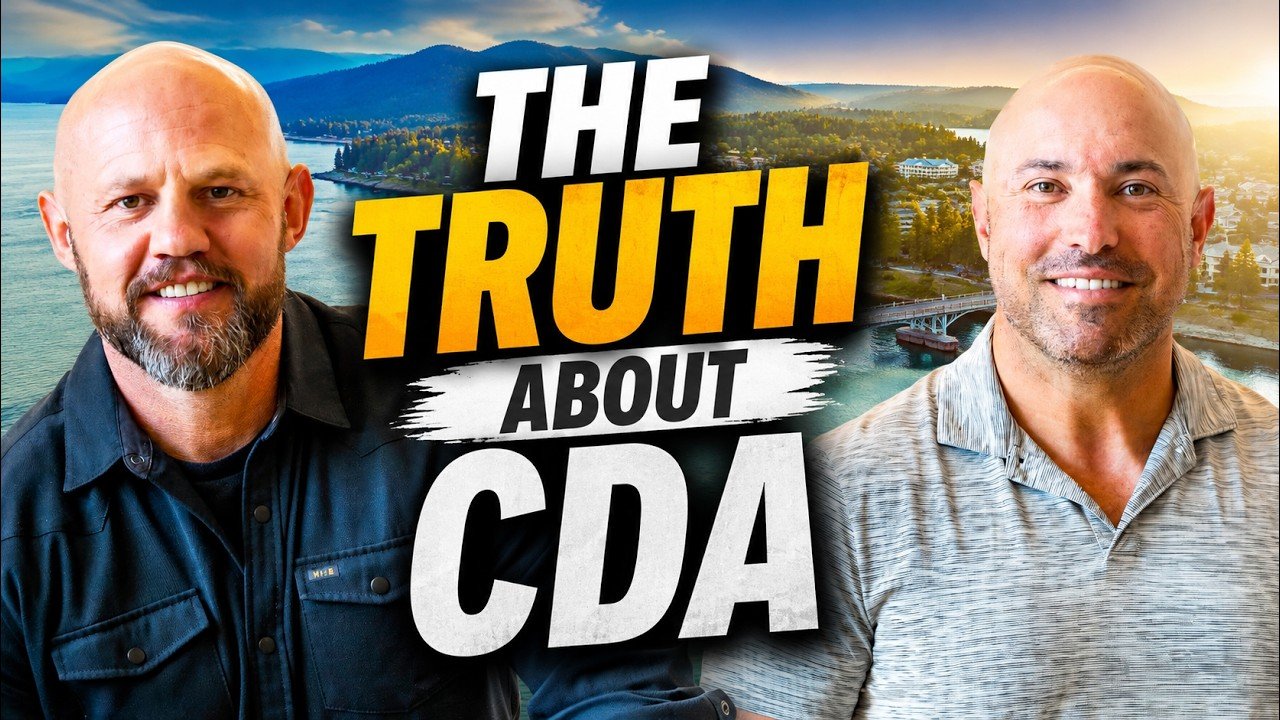
Understanding how the local justice system operates is something most people don’t think about—until it directly impacts their lives. In this episode of North Idaho Experience: Judicial Watch, the conversation dives deep into the inner workings of the Kootenai County Prosecutor’s Office, shedding light on how cases are handled, how decisions are made, and why transparency matters for the community.
For residents of North Idaho—or those considering making the move—this insight offers a valuable look into one of the foundational systems that helps shape public safety and quality of life.
What Does the Kootenai County Prosecutor Actually Do?
At its core, the role of the county prosecutor is broader than many people realize. While often compared to a district attorney in other states, the responsibilities go well beyond simply prosecuting crimes.
The elected prosecutor is responsible for:
- Handling all felony criminal cases in the county
- Managing many misdemeanor cases, depending on jurisdiction
- Providing legal advice to county officials and departments
- Representing the county in civil lawsuits
This dual role—criminal and civil—means the prosecutor’s office plays a central role not only in public safety but also in how local government functions.
How Criminal Cases Are Handled
Each year, the office receives between 7,000 and 7,500 cases, but only about 5,000 to 5,300 are formally filed and prosecuted.
Why the gap?
Not every arrest leads to charges. Law enforcement operates on probable cause, but prosecutors must evaluate whether a case can meet the much higher standard of proof beyond a reasonable doubt in court.
This means:
- Some cases require more investigation
- Some lack sufficient evidence
- Others may not be viable for prosecution
The decision to file charges is not automatic—it’s strategic and evidence-driven.
The Reality of Case Loads and Staffing Challenges
One of the biggest challenges facing the prosecutor’s office today is staffing.
With roughly 25 criminal attorneys handling thousands of cases annually, workloads are extremely high.
This creates several issues:
- Attorney burnout
- Difficulty retaining experienced prosecutors
- Increased pressure on remaining staff
In some cases, attorneys leave for neighboring counties offering higher pay and lower case loads—without even needing to relocate.
This turnover impacts efficiency and highlights a broader issue affecting many communities: retaining skilled professionals in critical public service roles.
Prosecutor vs. District Attorney: What’s the Difference?
For those relocating from states like California, the terminology can be confusing.
In Idaho:
- The role is called a county prosecutor, not a district attorney
- Every county has its own elected prosecutor
- Some cities may have separate prosecutors for misdemeanor cases
Functionally, the role is similar—but the structure varies based on local government organization.
Understanding the Court System: Magistrates vs. District Judges
The court system itself is divided into different levels:
- Magistrate Judges handle misdemeanors and initial felony hearings
- District Judges oversee felony cases and more serious matters
Each level plays a specific role in the legal process, ensuring cases move through the system efficiently while maintaining due process.
Judicial Selection and Why It Matters
Judges in Idaho are selected through a combination of appointments and elections:
- Magistrates are chosen by a commission and later retained by voters
- District judges are often appointed by the governor but must stand for election
Despite this system, it’s relatively rare for judges to face challengers or be voted out.
This makes voter awareness and engagement especially important.
The Challenge of Transparency in the Legal System
One of the most compelling parts of the discussion centers around transparency.
While court proceedings are public, accessing meaningful information can be difficult:
- Not all cases are covered by media
- Court attendance isn’t practical for most residents
- Only a small fraction of cases are summarized in public updates
With thousands of cases each year, even consistent reporting barely scratches the surface.
This creates a gap between the justice system and public understanding.
Why Judicial Awareness Matters for the Community
North Idaho consistently ranks as one of the safest regions in the country—but that doesn’t happen by accident.
It’s the result of:
- Law enforcement efforts
- Prosecutorial decision-making
- Judicial rulings
- Community involvement
An informed and engaged population plays a key role in maintaining these standards.
When residents understand how the system works, they can:
- Make more informed voting decisions
- Hold public officials accountable
- Better understand the outcomes of high-profile cases
The Role of Discretion in the Justice System
One of the most important—and often misunderstood—aspects of the legal system is discretion.
Prosecutors and judges both have significant decision-making power:
- Whether to file charges
- What plea deals to offer
- How to sentence individuals
Because Idaho does not use strict sentencing guidelines in most cases, outcomes can vary based on:
- The facts of the case
- The defendant’s history
- Judicial interpretation
This flexibility allows for individualized justice—but it also makes consistency a challenge.
Crime Trends: What’s Driving Cases in North Idaho?
While crime rates remain low overall, one factor consistently appears across cases:
Substance abuse.
According to the discussion, a large portion of cases involve:
- Drug possession
- DUI offenses
- Theft related to addiction
- Domestic violence influenced by substance use
Drug-related issues are often at the root of broader criminal behavior, affecting families, housing stability, and community safety.
Why This Matters for Those Moving to North Idaho
For families considering a move, understanding the legal system may not be the first priority—but it should be part of the bigger picture.
A strong, functioning justice system contributes to:
- Lower crime rates
- Safer neighborhoods
- Higher quality of life
The structure, transparency, and effectiveness of local institutions directly impact daily living.
Final Thoughts: A System Worth Understanding
The Kootenai County Prosecutor’s Office operates at the intersection of law enforcement, government, and community safety. While much of its work happens behind the scenes, its impact is felt across every aspect of life in North Idaho.
From handling thousands of cases each year to navigating complex legal and ethical decisions, the office plays a critical role in maintaining the region’s safety and stability.
Thinking About Making the Move to North Idaho?
If you’re considering relocating and want to learn more about the community, lifestyle, and what makes this area unique:
Explore your options with a team that knows North Idaho inside and out.
Contact North Idaho Experience to start your journey today.
A strong community starts with strong systems—and understanding how they work helps you make smarter decisions about where you live.