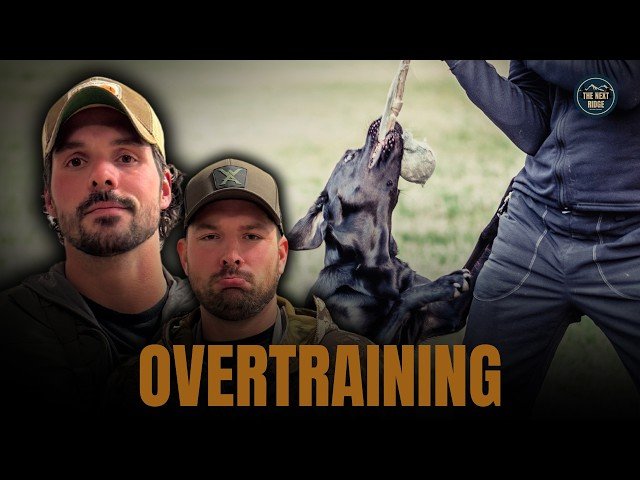
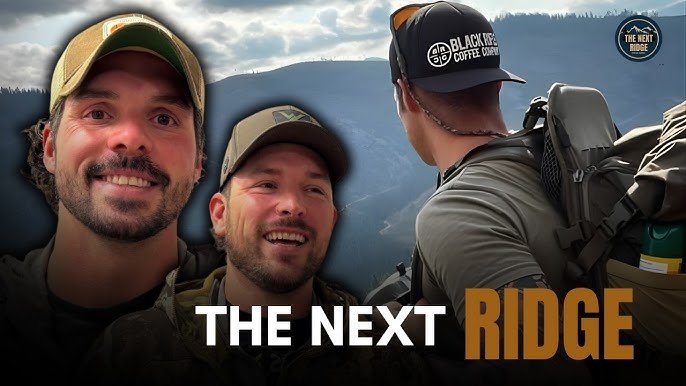
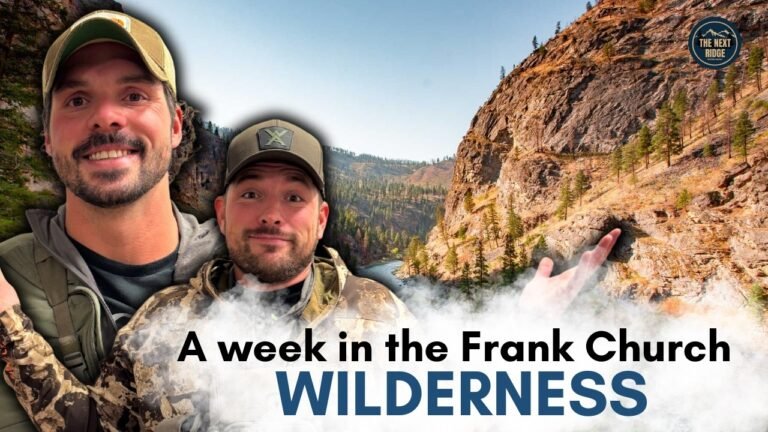
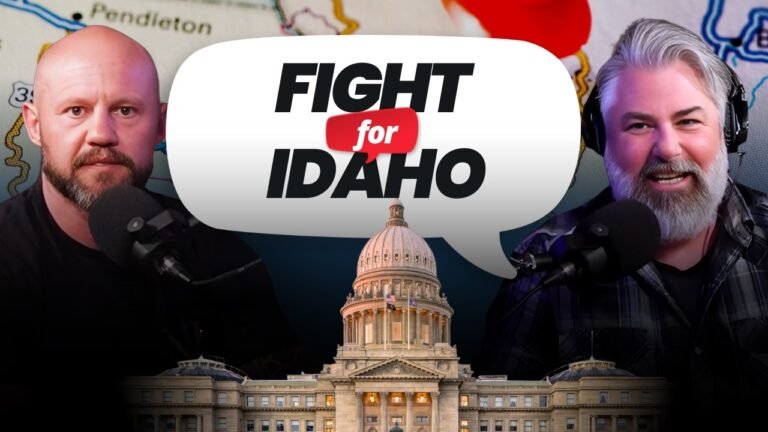
Flying into Idaho’s backcountry isn’t a bucket-list fantasy reserved for Alaska or guided hunts with five-figure price tags. In this episode of The Next Ridge Podcast, hosts John Fontaine and Austin Johnson pull back the curtain on what it’s actually like to fly into one of the most remote places in the Lower 48—the Frank Church–River of No Return Wilderness—and hunt it the hard way.
This isn’t a highlight reel. It’s a raw, honest look at brutal terrain, heavy packs, forgotten calories, hidden water sources, blown plans, epic highs, and lessons you only learn when there’s no road, no cell service, and no easy way out.
Why the Frank Church Is Different Than Anywhere Else
The Frank Church Wilderness covers nearly 2.4 million acres, making it the largest designated wilderness area in the Lower 48. No roads. No mechanized access. Once you’re in, you’re in.
That scale changes everything.
- Elevation gain isn’t measured in hundreds of feet—it’s thousands
- Water isn’t guaranteed
- Weather shifts fast and violently
- Pack weight actually matters
- Small mistakes compound quickly
For John and Austin, the Frank Church quickly became their favorite—and most humbling—place to hunt in Idaho.
How the First Fly-In Hunt Started (and Why It Was a Shock)
Their introduction came via a once-in-a-lifetime sheep tag drawn by a friend’s 14-year-old son. That invitation led to a 15-day fly-in sheep hunt deep in the wilderness.
What they thought they were signing up for:
- Tough hiking
- Long days glassing
- Classic backcountry adventure
What they actually got:
- 80–90 lb packs
- Three days just to reach base camp
- Major water challenges
- Rookie mistakes that hurt… badly
One of the biggest? Forgetting nearly 1,000 calories per day—a brutal oversight that turned rationing food into a daily survival exercise.
Water Is Life (and You Earn Every Drop)
In the Frank Church, water dictates everything.
At one point, the crew reached a ridgeline camp location—only to realize they were nearly dry. A hidden spring, rumored to exist somewhere below, became the difference between continuing the hunt or bailing miles back down.
What followed:
- 1,000+ feet of elevation loss
- Hours hauling water uphill
- Multiple trips every few days just to stay alive
Finding that spring—essentially a trickle pouring out of rock—was one of the most surreal and rewarding moments of the entire hunt.
This is the Frank Church in a nutshell: the work never stops, but the reward is real.
Why Backcountry Fly-In Hunts Are Mentally Harder Than Physical
The physical side is obvious: steep terrain, thin air, endless miles.
The mental side is what surprises most people.
- False summits that break morale
- Long stretches alone with your thoughts
- Weather rolling in when you’re already exhausted
- Decisions that actually matter
At one point, dehydration, sun exposure, and uncertainty stacked up fast—creating the kind of mental spiral that only gets solved by good partners and forward movement.
That’s why trust, experience, and communication matter more than any single piece of gear.
Coming Back for Mule Deer (Smarter, Lighter, Better Prepared)
After surviving the sheep hunt, John and Austin couldn’t stay away. They returned the following year for a fly-in mule deer hunt, this time bringing friends who had never experienced true backcountry hunting.
This trip brought:
- New ultralight gear
- Stove tents
- Better planning
- And still… plenty of chaos
They learned quickly that e-scouted routes that “look fine” on OnX can turn into nightmare terrain in real life. Fitness matters. So does humility.
The High-Country Buck Hunt That Made It All Worth It
The defining moment came during a brutal high-country mule deer hunt.
Snow moved in. Visibility dropped. The terrain was steep and unforgiving.
Then it happened.
A mature buck appeared below a ridgeline. Austin set up in a rock-solid position while John filmed and managed the chaos—literally bending trees out of the shooting lane.
At 450 yards, in blowing snow, the second shot connected.
That moment—hard-earned, clean, and unforgettable—was everything a backcountry hunt is supposed to be.
No road.
No shortcuts.
No one else around.
Just effort, trust, and execution.
Fly-In Hunting Isn’t “Easy Mode”
There’s a misconception that flying into the backcountry makes hunting easier.
It doesn’t.
Flying saves time, not effort. Once you step off the plane:
- You still climb
- You still carry everything
- You still pack animals out
- You still deal with weather, terrain, and fatigue
The Frank Church doesn’t care how you arrived.
Lessons Learned the Hard Way (So You Don’t Have To)
A few hard-earned takeaways from two seasons in the Frank:
- Calories matter more than comfort
- Water planning is non-negotiable
- Boots can make or break a hunt
- Ultralight gear is worth the investment
- Start cold, hike smart
- Always know Idaho tagging rules (yes, even proof of sex placement)
Even interactions with Idaho Fish & Game wardens turned into valuable learning moments—reinforcing that backcountry hunting comes with responsibility, not just adventure.
You Don’t Have to Go This Big—But You Can
One of the biggest takeaways from the episode is that the Frank Church can be tailored to your version of adventure.
You can:
- Base camp near an airstrip
- Spike out for a few nights
- Hunt close to water
- Or go full suffer-mode into the high country
The experience scales—but the wilderness stays wild.
Why This Matters for People Drawn to North Idaho
For many listeners, this episode hits deeper than hunting.
It speaks to why people move here.
North Idaho offers access to places where:
- Effort still matters
- Public land still dominates
- Adventure isn’t curated
- And freedom feels real
That’s the lifestyle North Idaho Experience is rooted in—not just buying a home, but buying into a way of life.
Grab the North Idaho Relocation Guide
Final Thoughts: Why They’ll Keep Going Back
The Frank Church is brutal. It’s exhausting. It exposes every weakness.
And that’s exactly why John and Austin keep returning.
Flying into Idaho’s backcountry strips life down to the basics:
Everything else fades away.
If you’ve ever wondered what a fly-in backcountry hunt is really like—this episode isn’t about selling the dream.
It’s about earning it.