Marijuana policy is once again part of Idaho’s political conversation in 2026, and this time the debate goes beyond whether cannabis itself should be legal.
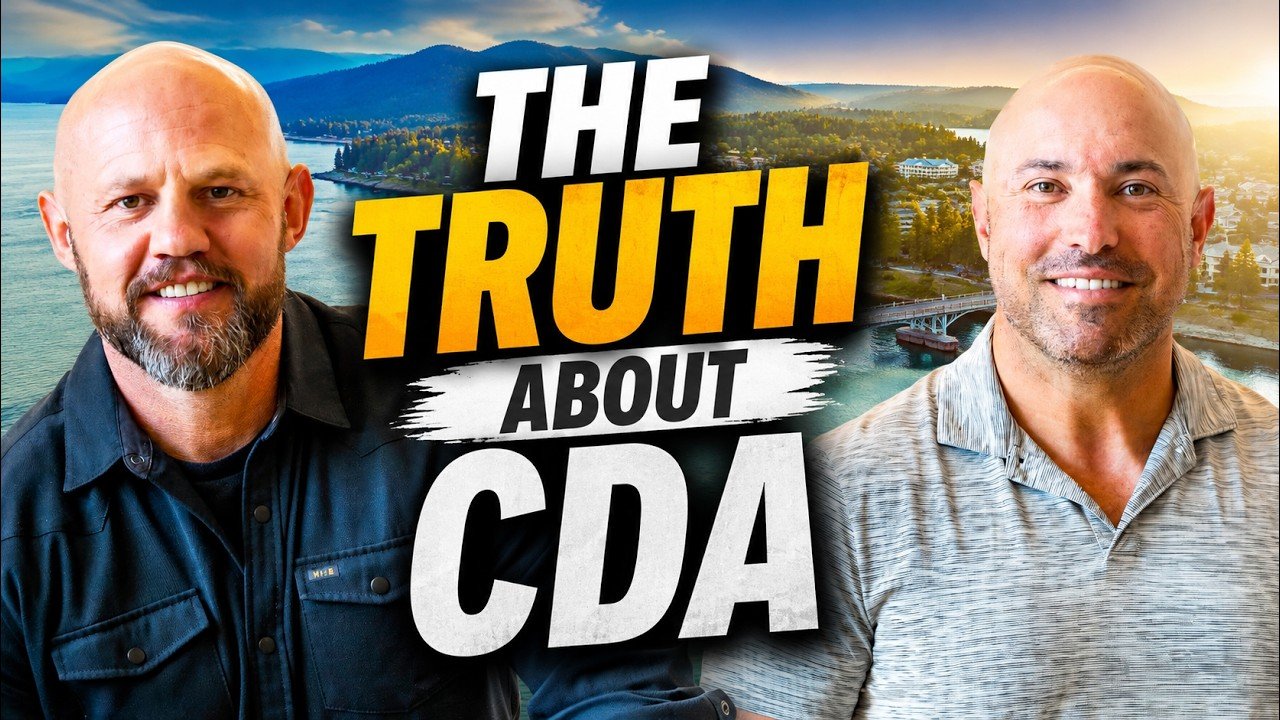
On a recent episode of North Idaho Experience, the team discussed two competing approaches that were developing earlier this year: a citizen initiative seeking to legalize medical cannabis and a constitutional amendment that would reserve the authority to legalize marijuana and other psychoactive substances exclusively for the Idaho Legislature.
Since the episode was recorded, however, there has been an important change.
The Idaho Medical Cannabis Act failed to qualify for the November 3, 2026 general election ballot after organizers did not submit enough valid signatures statewide or meet the required threshold in enough legislative districts. HJR 4, meanwhile, will appear before Idaho voters this November.
That leaves Idaho voters considering a larger question: who should have the authority to change Idaho drug laws in the future?
Marijuana Is Still Illegal in Idaho
Idaho remains one of the states where marijuana is illegal for both recreational and general medical use.
According to the Idaho Office of Drug Policy, marijuana remains a Schedule I controlled substance under Idaho law, and its possession, use, manufacture, and sale remain prohibited outside limited federally approved cannabinoid medications.
That makes Idaho significantly different from its neighbors.
Washington, Oregon, Nevada and Montana have legalized adult recreational marijuana, while other surrounding states have adopted various forms of medical cannabis programs.
For many North Idaho residents, that contrast is impossible to ignore. A short drive across the Washington border brings residents into a dramatically different regulatory environment.
What Was the Idaho Medical Cannabis Act?
The proposed Idaho Medical Cannabis Act sought to create a regulated medical marijuana program for Idaho patients diagnosed with qualifying health conditions.
The proposal would have allowed eligible patients to obtain a medical cannabis card and purchase cannabis through a limited licensed system. Qualifying conditions listed in the proposed law included cancer, epilepsy, PTSD, multiple sclerosis, chronic pain and several other serious conditions.
The proposal generated a complicated debate.
Supporters argued that patients dealing with serious health conditions should have another treatment option, especially when cannabis is already available medically in much of the country.
Opponents questioned whether a medical program could remain narrowly focused on legitimate medical treatment or eventually open the door to broader recreational legalization.
The campaign ultimately submitted a maximum of 58,024 certified signatures. Idaho law required 70,725 valid signatures statewide and sufficient signatures in at least 18 of Idaho’s 35 legislative districts. The initiative therefore did not qualify.
What Is Idaho HJR 4?
The marijuana-related question that will appear on Idaho’s November ballot is House Joint Resolution 4.
HJR 4 proposes amending the Idaho Constitution so that only the Idaho Legislature would have authority to legalize marijuana, narcotics or other psychoactive substances.
According to the Idaho Secretary of State’s official 2026 ballot-measure information, approving HJR 4 would also remove the ability of citizens to use Idaho’s initiative process to enact laws legalizing those substances.
A “yes” vote would give the Legislature exclusive authority over legalization.
A “no” vote would preserve the existing ability of Idaho citizens to potentially qualify a future legalization or decriminalization initiative for a statewide vote.
That distinction became one of the most interesting parts of the North Idaho Experience discussion.
Even some participants who opposed marijuana legalization expressed concern about permanently restricting Idaho’s citizen initiative process.
The Debate Is Bigger Than Marijuana
For many Idahoans, HJR 4 raises two separate policy questions.
The first is straightforward: Should Idaho maintain its restrictive approach to marijuana and other psychoactive drugs?
The second is more philosophical: Should Idaho voters retain the ability to directly change those policies through citizen initiatives?
Supporters of HJR 4 can argue that drug policy is complex and should move through the legislative process, where lawmakers can hold hearings, amend legislation and build detailed regulatory systems.
Opponents can argue that Idaho’s initiative process is an important check on government and gives citizens a way to pursue policies when the Legislature is unwilling to act.
That tension is especially relevant in Idaho, where limited government and individual political participation are both deeply rooted parts of the state’s political culture.
Today’s Marijuana Is Also Different
Another major issue raised during the podcast was cannabis potency.
The marijuana market has changed considerably from decades ago. Modern concentrates, extracts, waxes, oils and other products can contain substantially higher THC concentrations than traditional cannabis flower.
The Centers for Disease Control and Prevention’s cannabis guidance notes that THC concentrations have increased over time and that some concentrates can deliver very high doses.
The CDC also reports associations between cannabis use and psychosis, with stronger associations among people who begin using cannabis at younger ages or use it more frequently.
Those concerns do not automatically settle the legalization debate, but they do complicate the idea that modern cannabis policy involves exactly the same substance people may remember from decades ago.
What About Medical Treatment and Veterans?
The podcast also explored one of the strongest arguments for maintaining flexibility in Idaho law: emerging medical research.
Cannabis is not the only substance being studied. Researchers continue investigating compounds such as psilocybin and other psychedelic therapies for conditions including PTSD and treatment-resistant mental health disorders.
That creates an important question around HJR 4.
If new treatments involving currently prohibited psychoactive substances eventually receive strong medical support, should Idaho voters have the ability to approve access directly, or should that decision rest entirely with the Legislature?
For a state with a substantial military and first-responder community, conversations about PTSD treatment are likely to continue regardless of what happens with marijuana.
What Happens Next for Idaho Marijuana Laws?
For now, marijuana remains illegal in Idaho, and the proposed medical cannabis initiative will not appear on the 2026 ballot.
The November decision will instead center on HJR 4 and the future structure of Idaho drug policymaking.
That makes this election about more than whether someone supports or opposes marijuana.
It is also a debate about states’ rights, public health, law enforcement, medical treatment, direct democracy and how much authority Idaho citizens want to retain over future ballot initiatives.
Whatever your position, this is exactly the type of issue that benefits from informed, civil discussion.
North Idaho has developed a strong identity around maintaining the values and culture that make the region different. The challenge is deciding how those values should translate into law—and who should ultimately have the power to make that decision.