Could hunting, fishing and livestock production become criminal activities in Oregon?
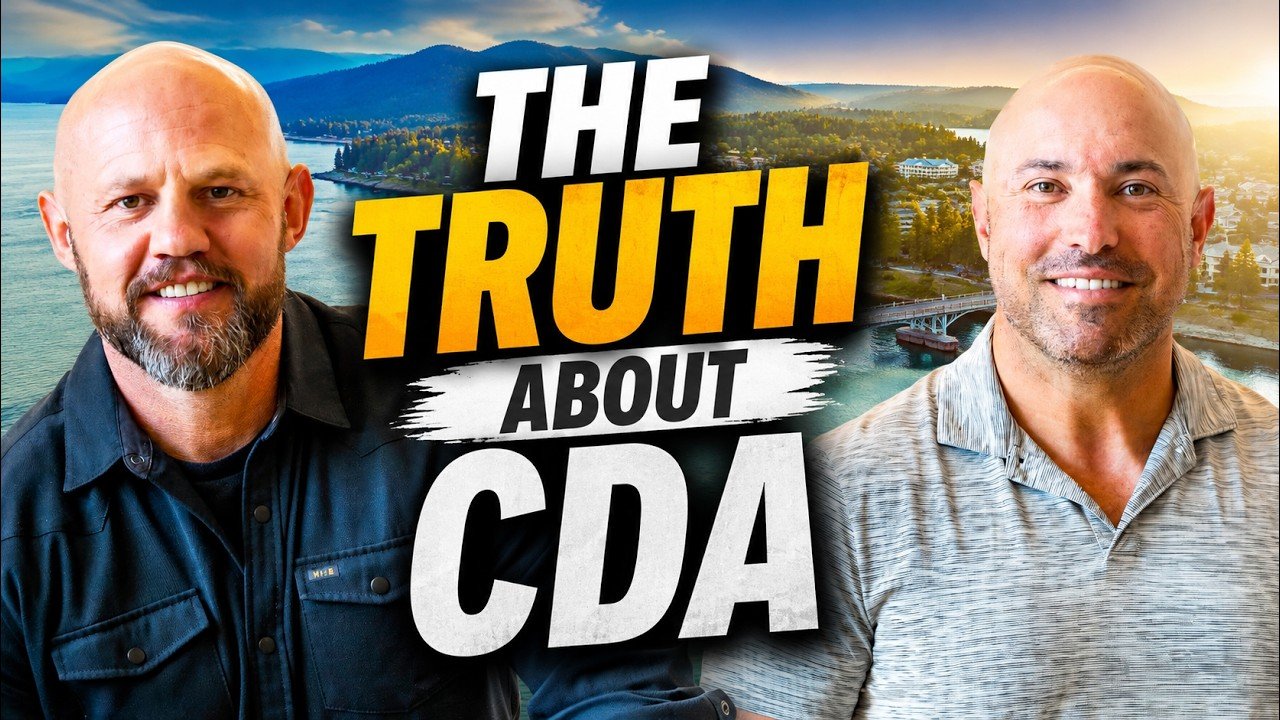
That question is at the center of this Next Ridge podcast conversation with Ryan, a longtime Oregon State Police fish and wildlife officer. Drawing on more than three decades in law enforcement and years of experience as a hunter-education instructor, Ryan discusses Oregon Initiative Petition 28, commonly known as the PEACE Act.
The proposed measure generated significant concern among hunters, anglers, ranchers, farmers, trappers, veterinarians and rural residents. Its supporters described it as an effort to eliminate exceptions in Oregon’s animal-cruelty laws, while opponents argued that the changes would effectively prohibit many established animal-related activities.
IP 28 ultimately failed to qualify for Oregon’s November 2026 ballot. However, supporters have indicated that similar proposals may return in a future election cycle, making the debate relevant for residents of Oregon and neighboring states.
What Was Oregon Initiative Petition 28?
IP 28 was formally titled the People for the Elimination of Animal Cruelty Exemptions Act.
The proposal sought to amend Chapter 167 of the Oregon Revised Statutes by removing or changing existing exemptions from the state’s animal abuse, neglect and assault laws. The official petition stated that its purpose was to minimize animal pain, fear, stress and suffering.
Those exemptions are important because they distinguish illegal animal cruelty from activities that are currently lawful and regulated, including hunting, fishing, livestock production, animal husbandry, pest control, veterinary treatment and scientific research.
Opponents argued that removing the exemptions would expose people participating in those activities to criminal liability.
The campaign submitted more than 142,000 signatures by the July 2 deadline. After verification, however, only 104,262 were determined to be valid, so the initiative did not reach the ballot.
Would IP 28 Have Banned Hunting?
The measure did not simply contain a sentence stating that hunting was banned. Instead, it proposed removing legal protections that allow hunting to occur without being prosecuted under general animal-cruelty statutes.
That distinction explains why opponents described it as an Oregon IP 28 hunting ban.
Under the proposal, intentionally injuring or killing an animal while hunting could have been treated as a criminal offense unless the activity fit within one of the measure’s remaining exceptions.
The same concern applied to recreational and commercial fishing. Catch-and-release anglers could potentially have faced questions about whether hooking, handling or accidentally killing a fish constituted prohibited injury.
The episode emphasizes that Oregon already regulates hunting and fishing through seasons, licenses, tags, bag limits and equipment requirements. Violations such as poaching remain illegal regardless of whether IP 28 is adopted.
Effects on Farms and Ranches
The potential consequences extended well beyond recreational sports.
Modern agriculture requires numerous practices involving animals. Livestock may be castrated, dehorned, bred, transported, treated for injuries or eventually slaughtered for food. Farmers and ranchers must also control rodents and predators that threaten animals, crops, feed or infrastructure.
IP 28 proposed changes that opponents believed could have criminalized or severely restricted many standard agricultural practices.
That raised questions about what would happen to Oregon’s cattle ranches, poultry operations, dairies and other animal-based businesses. A farm built around raising livestock cannot simply convert to an unrelated crop without considering its land, buildings, equipment, climate, finances and workforce.
Eliminating local livestock production could also make Oregon more dependent on meat and animal products brought in from other states.
Pest Control and Property Ownership
One of the most surprising parts of the conversation involves ordinary pest control.
Mice, rats, ground squirrels, beavers and other animals can damage homes, contaminate food, undermine foundations and spread disease. Rural residents may also need to protect livestock from coyotes or other predators.
Opponents argued that the proposed language could make it illegal to trap or kill these animals in many circumstances.
That would leave property owners with difficult questions. Could a homeowner use a mousetrap? Could a rancher stop rodents from destroying stored feed? Could a landowner remove an animal damaging a building or irrigation system?
These concerns demonstrate why legislative definitions matter. Small changes to words such as “animal,” “injury,” “neglect” or “adequate shelter” can create consequences far beyond the issue highlighted in a campaign slogan.
Hunting as a Wildlife Management Tool
The podcast also discusses the role hunters play in wildlife management.
Wildlife populations are limited by available food, water, shelter and habitat. When the number of animals exceeds what an area can support, the result can include starvation, disease, habitat damage and increased collisions with vehicles.
Regulated hunting is one method wildlife agencies use to keep populations within sustainable levels.
License and tag revenue also helps fund habitat projects, research, enforcement and other conservation programs. Removing hunters and anglers from the system could therefore affect both population control and the funding available to manage wildlife.
Supporters of IP 28 have suggested that nonlethal population-control methods could replace hunting in some situations. Options may include relocation, fertility control or habitat modification.
Critics respond that those approaches may be expensive, logistically difficult or ineffective for large, free-ranging wildlife populations. The appropriate method depends on the species, habitat and available science.
Conservation Versus Emotional Decision-Making
Ryan argues that wildlife policy should be guided by trained biologists, conservation officers and people with direct knowledge of the land.
Public opinion remains important, but wildlife decisions can create unintended consequences when they are based solely on emotional reactions.
Hunters are sometimes portrayed as people who enjoy harming animals. In the episode, Ryan offers a different view. He says responsible hunters care deeply about the animals they pursue and want a fast, ethical harvest that avoids unnecessary suffering.
As a hunter-education instructor, he teaches students to wait for a safe, responsible shot rather than risking an injury to the animal.
This does not mean every hunter acts responsibly. It means that ethical hunting and poaching should not be treated as the same activity.
Why the Issue Matters Outside Oregon
Residents of Idaho, Montana and other Western states may wonder why they should pay attention to an Oregon initiative that did not qualify for the ballot.
The answer is that policy campaigns rarely remain confined to a single state.
Organizations often test proposals in one jurisdiction before adapting them for another. Restrictions affecting trapping, predator management, firearm use or hunting access can influence debates across the region.
The conversation also reflects why some outdoorsmen are relocating from Oregon to North Idaho. Ryan describes looking for a place with mountains, trees, rural property, lower taxes and a culture that supports hunting, fishing and self-sufficiency.
North Idaho offers many of those qualities, although buyers must still research land-use rules, hunting access, wildlife conditions and property costs before relocating.
Stay Informed About Future Proposals
IP 28 will not appear on Oregon’s November 2026 ballot, but the campaign behind it has been active since 2020 and may pursue another initiative.
Hunters, anglers, farmers and property owners should read the actual language of future proposals rather than relying only on advertisements or social-media summaries.
Residents can review official petitions through the Oregon Secretary of State’s initiative and referendum resources. Those concerned about hunting and wildlife policy can also follow organizations such as the Oregon Hunters Association.
Considering a move to a region where hunting, fishing and outdoor recreation remain central to the lifestyle? Contact the North Idaho Experience team to learn more about rural properties and communities across North Idaho.