When you’re shopping for a home in North Idaho, it’s easy to focus on acreage, mountain views, shop space, lake access or how far you’ll be from town. But there’s another question worth asking before you buy: What happens to this property when the power goes out?
North Idaho’s four-season lifestyle comes with winter storms, wind, heavy snow and the occasional power outage. For many homeowners, an outage is a temporary inconvenience. For others—particularly those living on rural acreage or depending on a private well—it can affect water, heat and other essential systems.
So, do you need a generator in North Idaho? Not necessarily. But backup power is something every buyer should think about before purchasing a property.
Your Location Makes a Difference
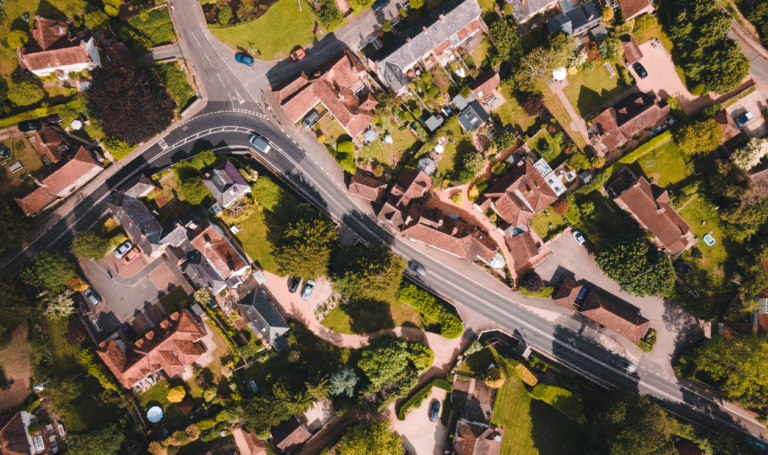
A house in a developed neighborhood in Coeur d’Alene, Post Falls or Hayden can have very different backup-power needs than a home tucked into the woods outside Rathdrum, Athol, Spirit Lake or farther into rural North Idaho.
When evaluating a property, consider how remote it is, whether utilities are above or below ground and what systems rely on electricity.
You may also want to ask the seller about the property’s outage history. How frequently have they lost power? How long have outages typically lasted? Does the property already have a generator connection or transfer switch?
The answers can help you decide whether a generator is a priority or simply a nice-to-have feature.
Consider Your Water Source
This is one of the biggest differences between urban and rural properties.
If the home is connected to a private well, the well pump generally needs electricity. During an outage, that can mean losing your normal water supply unless you have backup power or another solution.
That affects more than drinking water. Think about showers, toilets, cooking and everyday household use.
If you’re buying acreage with a well, ask which electrical circuit powers the well pump and whether an existing generator can support it. A beautiful rural property can still be a great fit—you simply want to understand its systems before closing.
How Is the Home Heated?
North Idaho buyers should also understand how the home’s heating system behaves without electricity.
Don’t assume that having a gas or propane heating system means you’re completely covered during an outage. Many modern heating systems still require electricity for blowers, controls or other components.
Wood heat can provide another option in some homes, but every property is different.
Ask what happens to the home’s primary heating system when electricity is unavailable and whether there’s a secondary heat source. That question becomes considerably more important when temperatures drop below freezing.
Portable vs. Standby Generators
If you decide backup power makes sense, there are two broad options.
Portable generators are generally less expensive and can be used to power selected equipment during an outage. They require more hands-on setup and careful operation.
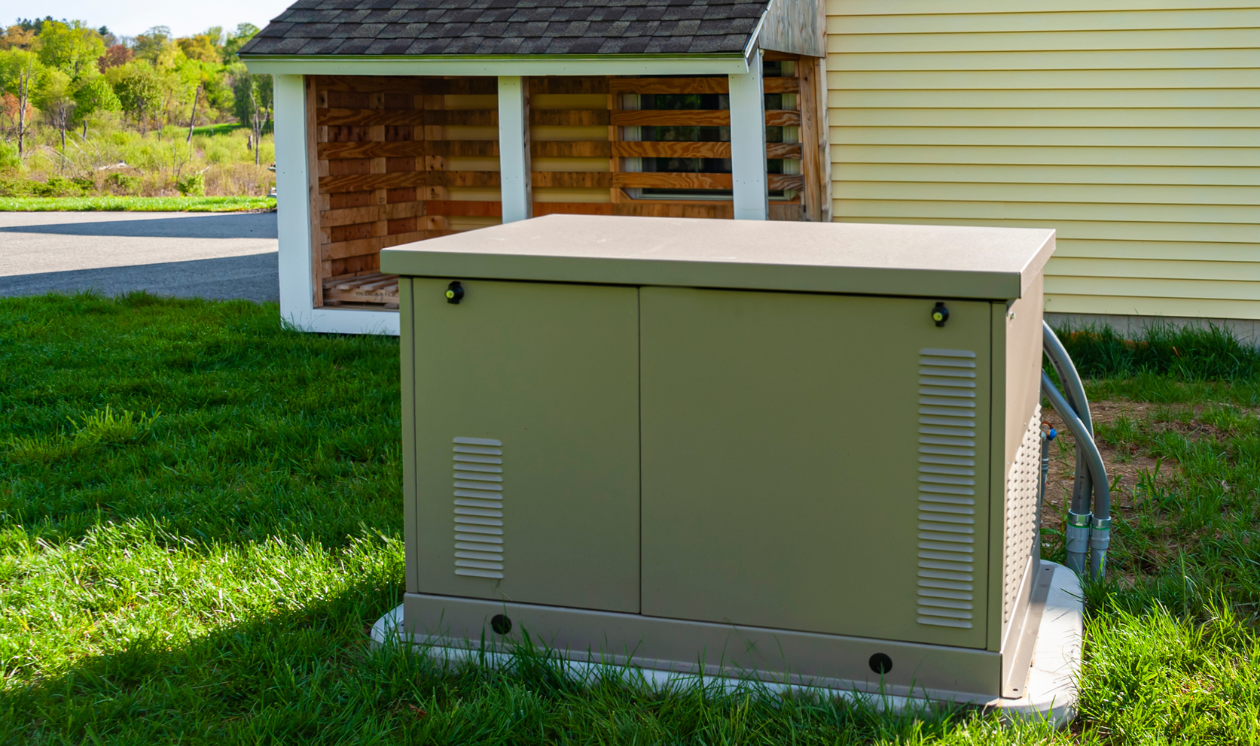
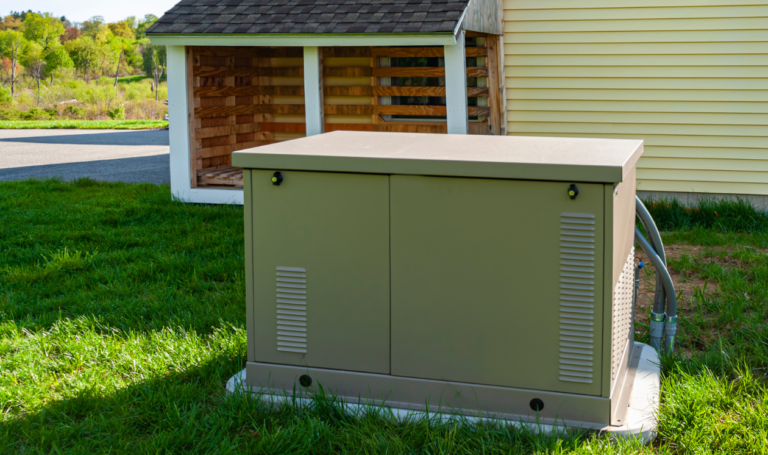
A permanently installed standby generator offers a more automated solution. Depending on the system, it can detect an outage and provide backup power without requiring the homeowner to manually start a portable unit.
Neither choice is automatically better for every North Idaho property. The right setup depends on the home’s electrical requirements, the systems you want to operate and how much convenience you’re looking for.
A buyer who simply wants to keep a refrigerator and a few essentials running has very different needs from someone trying to operate a well pump, heating equipment, freezers and much of a large rural home.
Generator Safety Matters
Backup power needs to be installed and operated correctly.
Kootenai Electric Cooperative requires backup generator installations on its system to use an appropriate transfer switch. This prevents electricity from feeding back onto utility lines, which can create a serious hazard for crews working to restore service.
KEC also asks members with generators to notify the cooperative. Buyers purchasing a home with an existing generator should determine how the system was installed and whether the appropriate electrical permits and inspections were completed.
Portable generators also produce carbon monoxide and should never be operated inside a home, garage or other enclosed or partially enclosed space.
When in doubt, have a licensed electrician inspect an existing setup rather than assuming it was installed properly.
Questions to Ask When Touring a North Idaho Home
A generator itself shouldn’t be the only thing you examine. Look at the property’s entire backup-power situation.
Ask whether the home has experienced extended outages, whether it uses a private well, which heating systems require electricity, whether there’s a generator-ready electrical connection and what equipment an existing generator actually powers.
If a generator is included with the property, ask about its age, fuel source, service history and capacity. For a permanent system, find out whether maintenance records are available.
These questions are especially worthwhile when you’re considering rural acreage, mountain properties, off-grid or semi-off-grid homes, and properties farther from established population centers.
Think About Backup Power Before You Buy
One of the advantages of buying in North Idaho is the ability to choose the lifestyle that works for you. You can live minutes from downtown Coeur d’Alene or trade some convenience for acreage, privacy and room to spread out.
But the farther you move toward rural living, the more important it becomes to understand how the property actually functions.
A generator isn’t a requirement for living in North Idaho, and many homeowners get along perfectly well without one. For the right property and lifestyle, however, backup power can provide valuable resilience when winter weather or an unexpected outage arrives.
The key is knowing what you’re buying before the first North Idaho winter puts the property to the test.
If you’re looking for a home, acreage or rural property and want local insight into what to consider beyond the listing photos, connect with North Idaho Experience. Our team can help you navigate the details that come with finding the right property for your North Idaho lifestyle.