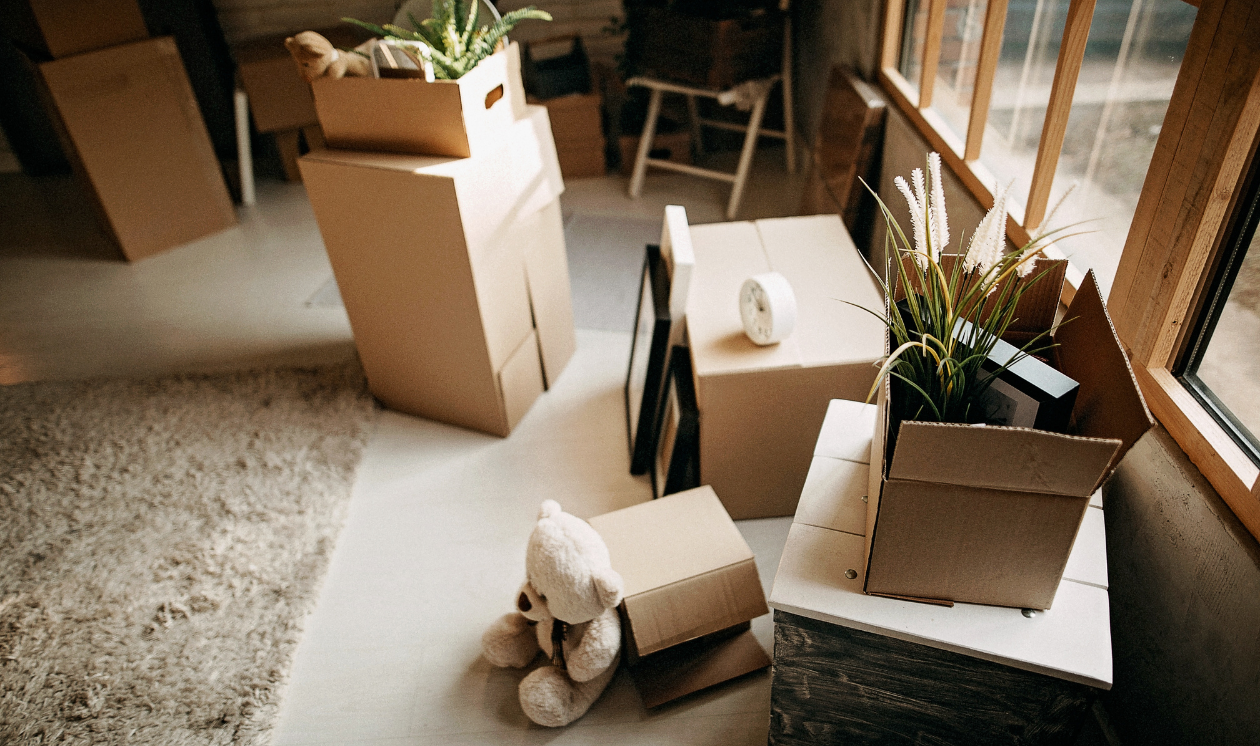
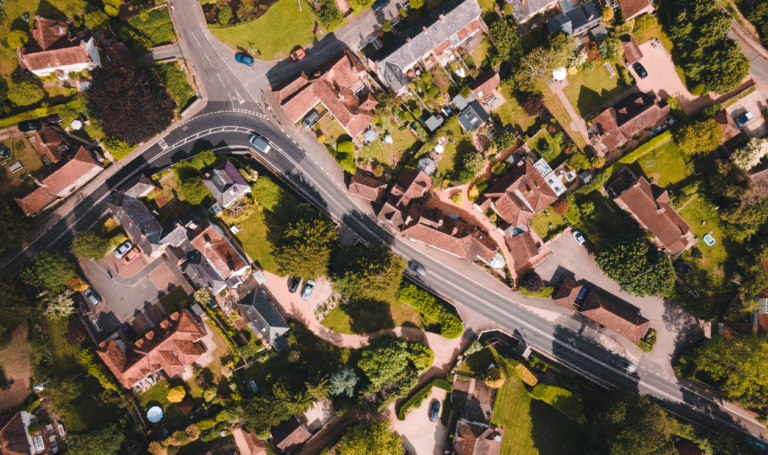
Relocating to North Idaho can mean trading heavy traffic and crowded neighborhoods for mountain views, outdoor recreation and communities with a distinct small-town character. However, a successful move requires more than finding a home and reserving a moving truck.
From choosing the right community to preparing for winter, transferring utilities and updating official documents, this checklist will help you organize each stage of your move.
Three to Six Months Before Your Move
Research North Idaho Communities
Begin by comparing the communities that fit your lifestyle, budget and daily needs.
Coeur d’Alene offers restaurants, shopping, medical services and access to Lake Coeur d’Alene. Post Falls provides convenient access to both Coeur d’Alene and Spokane. Hayden is popular with buyers seeking suburban neighborhoods near lakes and recreation, while Rathdrum offers newer construction and a more rural atmosphere.
Buyers interested in acreage, greater privacy or a small-town setting may also consider Spirit Lake, Athol, Priest River, Sandpoint and communities throughout Bonner and Boundary counties.
Do not evaluate a property by its address alone. Consider commute times, school boundaries, internet availability, road maintenance, wildfire exposure and access to hospitals, groceries and other services.
Establish a Realistic Housing Budget
When relocating to North Idaho, plan for more than the purchase price.
Your budget may need to include property taxes, homeowners insurance, inspections, closing costs and potential repairs. Rural properties can introduce additional expenses related to private wells, septic systems, propane tanks, snow removal, generators, access roads and outbuildings.
If you are selling a home in another state, discuss your timeline with your lender and real estate agent early. A home-sale contingency may affect how competitive your offer is, particularly when a desirable property attracts multiple buyers.
Visit Before Committing
Online listings cannot show every feature that affects your quality of life.
Whenever possible, visit North Idaho before purchasing. Drive through prospective neighborhoods at different times of day. Test the commute, visit nearby stores and look at how surrounding properties are maintained.
A winter or early-spring visit can be especially valuable. A quiet gravel road that appears easy to navigate in July may feel very different when it is covered with snow or affected by seasonal mud.
One to Two Months Before Moving
Schedule Property Inspections and Due Diligence
A general home inspection is an important starting point, but some North Idaho properties require additional evaluation.
Depending on the home, consider well-water testing, septic inspection, sewer-scope service, radon testing, chimney inspection and evaluation of roofs, crawlspaces or drainage systems.
For acreage, confirm legal access, easements, zoning, property boundaries and road-maintenance responsibilities. Ask whether the road is publicly maintained, privately maintained or governed by an agreement among neighboring property owners.
Do not assume that owning acreage automatically allows every intended use. Contact the appropriate city or county planning department before relying on the property for livestock, short-term rentals, additional dwellings or a home-based business.
Book Movers and Create an Inventory
Reserve movers as early as possible, especially for a summer relocation. Summer is a busy season for both real estate and moving companies in North Idaho.
Create an inventory of valuable items and photograph furniture, electronics and fragile belongings before packing. Keep important documents, medications, jewelry, firearms and irreplaceable items with you rather than placing them in a moving truck.
Label boxes by room and priority. A clearly marked “first night” box should contain bedding, toiletries, basic cookware, chargers, clothing, pet supplies and anything needed before the rest of the home is unpacked.
Arrange Utilities and Internet
Utility providers vary by location. Electricity may be supplied by Avista Utilities or Kootenai Electric Cooperative, while some homes use propane, natural gas, private wells or community water systems. Idaho’s Office of Energy and Mineral Resources maintains a list of utility contacts, including Avista and Kootenai Electric.
Ask the seller or property manager which companies currently serve the home. Schedule electricity, gas, water, garbage and internet service to begin before or on closing day.
Internet availability deserves special attention in rural areas. Confirm the provider and expected speed directly rather than relying only on an online coverage map.
Two Weeks Before Moving
Update Your Address
Submit a forwarding request with the postal service and update your address with banks, insurance companies, subscription services, medical providers and employers.
Also update information connected to retirement accounts, professional licenses, voter registration and tax documents.
Prepare for Idaho Weather
North Idaho experiences four distinct seasons. Pack clothing and equipment accordingly, even when moving during summer.
Your winter preparation may include snow shovels, ice melt, insulated boots, emergency vehicle supplies and snow tires. Homeowners with long driveways may need a snowblower, plow service or equipment capable of handling repeated snowfall.
If the home has a wood-burning fireplace or stove, confirm that it has been inspected and cleaned before use.
Organize Medical and School Records
Request copies of medical, dental and veterinary records. Transfer prescriptions and identify nearby urgent-care facilities, hospitals and pharmacies.
Families should contact the appropriate school district before arriving. School placement may depend on the home’s exact address, so verify boundaries directly with the district.
During Your First 30 to 90 Days
Complete Idaho Residency Tasks
New residents should review Idaho’s official moving guidance for driver licensing, vehicle titles, registration and other residency requirements.
Idaho requires new residents to title and register their vehicles within 90 days of moving to the state. Requirements can change, so confirm the necessary documents through the Idaho DMV before visiting an office.
Relocating may also affect your state income-tax filing and legal domicile. The Idaho State Tax Commission notes that part-year residency and a change of domicile can affect how income is reported. Consult a qualified tax professional when moving between states, particularly if you own businesses, investment property or homes in more than one state.
Learn Your Property
Locate the main water shutoff, electrical panel, septic access, well equipment and heating-system controls.
Ask about irrigation schedules, snow storage areas, garbage pickup and seasonal maintenance. If your home is in a homeowners association, review its rules before parking recreational vehicles, constructing a fence or making exterior changes.
Become Part of the Community
North Idaho is easier to enjoy once you begin building local connections.
Introduce yourself to neighbors, explore community events and support locally owned restaurants, contractors and shops. Outdoor clubs, churches, volunteer organizations and recreation groups can also make the transition feel more natural.
Make Your North Idaho Move With Local Guidance
Every relocation has different priorities. One buyer may want lake access and a walkable downtown, while another needs acreage, privacy and room for a shop.
A local real estate team can help you compare communities, evaluate properties and identify concerns that may not be obvious in listing photographs.
When you are ready to begin relocating to North Idaho, contact the North Idaho Experience team for local guidance throughout your home search and move.